
cost of 12mm toughened glass
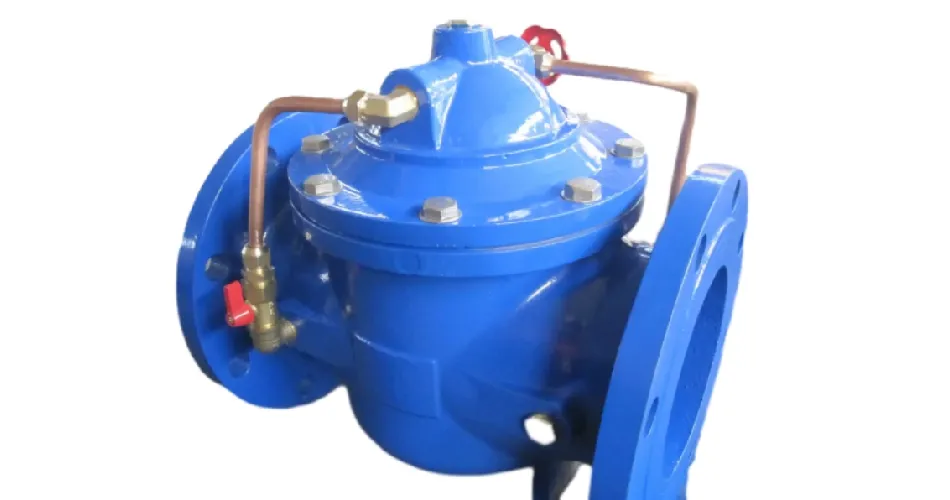
Understanding the Importance of the Main Valve in Water Systems Water is an essential resource that sustains life, supports agriculture, and facilitates industrial processes. Within the expansive network of water distribution systems, the main valve plays a critical role in managing water flow and ensuring system functionality. In this article, we will delve into the significance of the main valve, its components, functionalities, and maintenance practices, shedding light on why this seemingly unassuming piece of equipment is vital for both residential and commercial water systems. The Role of the Main Valve The main valve, often referred to as the shut-off valve or control valve, is typically positioned at the point where water enters a building or facility. Its primary function is to control the flow of water within the system. By regulating this flow, the main valve can help maintain optimal pressure levels, manage water distribution, and prevent potential leaks. In the event of a plumbing emergency, the main valve allows users to swiftly cut off the water supply, minimizing damage and facilitating repair efforts. Types of Main Valves Several types of main valves are utilized in water systems, each designed for specific applications and functionalities . The most common types include 1. Gate Valves Often used for on/off control, gate valves operate by lifting a gate out of the flow path. They are generally not suitable for throttling flow but are an excellent choice for applications that require a straightforward shut-off. 2. Ball Valves Known for their durability and reliability, ball valves control water flow with a hollow, perforated ball. They provide quick shut-off capabilities and are less prone to leakage, making them ideal for high-pressure systems. 3. Globe Valves Globe valves are designed for precise throttling and flow regulation. They feature a spherical body that directs water flow, allowing for more controlled adjustments, which is beneficial in situations requiring fine-tuning of water pressure. main valve water 4. Butterfly Valves These valves utilize a rotating disc for flow control and are typically used in larger industrial applications. Their compact design allows for quick operation, making them suitable for systems requiring rapid flow adjustments. The Importance of Maintenance Like any mechanical system, the main valve requires regular maintenance to ensure optimal performance and longevity. Neglecting maintenance can lead to valve failure, which may result in costly repairs, water waste, and potential property damage. Key maintenance practices include - Regular Inspections Periodic checks can help identify signs of wear, corrosion, or leakage early on. Homeowners and facility managers should inspect visible components of the valve and surrounding pipework. - Cleaning and Lubrication Debris and sediment buildup can hinder the valve’s operation. Cleaning the valve and applying appropriate lubricants to moving parts can enhance functionality. - Testing Automated systems can benefit from routine testing to ensure that the valves respond correctly to control signals and maintain desired pressure levels. - Replacement If a valve shows signs of significant wear or failure, it’s important to replace it promptly to avoid disruptions in water service. Conclusion Understanding the vital role of the main valve in water systems emphasizes its importance in our daily lives. Whether in residential settings or industrial applications, maintaining the efficiency and reliability of main valves can greatly impact water management. With a commitment to regular inspection and maintenance, users can ensure that their water systems operate smoothly and efficiently, safeguarding this precious resource for future generations. Investing time and resources into proper valve care is not just a matter of functionality; it is a step towards sustainability and responsible water usage.
about
cost of 12mm toughened glass
Pad irons are essential components used to support and distribute the weight of heavy machinery in various industries. These pads are placed under machine tools to ensure proper load distribution and stability. When calculating the bearing capacity of a pad iron , the total weight of the machine tool is divided by the number of fastening holes in the pad. This approach helps determine how much weight each pad can support and ensures the machine remains stable during operation. For optimal performance, the position of the machine tool’s center of gravity should also be considered, as this influences weight distribution across the pad irons . This ensures the machinery remains level and securely fastened during heavy-duty operations. Key Considerations: Divide the total machine tool weight by the number of fastening holes for accurate load distribution. Adjust for the center of gravity to balance the machine tool effectively. Effective Use of Anti-Vibration Rubber Pads for Heavy Machinery Anti-vibration rubber pads are crucial in minimizing vibrations and protecting heavy machinery from wear and tear. These pads are made from durable rubber materials that absorb and dampen the vibrations generated during the operation of large machine tools, preventing excessive movement and reducing noise. By placing these pads under machinery, industries such as manufacturing, construction, and processing can prolong the lifespan of equipment and enhance operational safety. In addition to reducing vibrations, anti-vibration rubber pads for heavy machinery provide improved load distribution and protect the floor surface from damage caused by the machine’s weight. The rubber material offers a firm grip, preventing the machinery from shifting or moving during intense operations. Benefits of Anti-Vibration Rubber Pads: Absorb and dampen vibrations, reducing wear and tear on machinery. Improve stability and prevent machinery from shifting. Extend the lifespan of equipment by minimizing vibrations. Versatile Applications of Vibration Pads in Industry Vibration pads are designed to reduce the vibrations and noise produced by heavy machinery, ensuring smooth and efficient operations. These pads are commonly used under compressors, pumps, generators, and other industrial equipment that produce high levels of vibration during use. Made from materials like rubber or a combination of rubber and cork, vibration pads are highly effective in isolating vibrations and preventing them from transferring to floors, structures, or other machines. In industries like manufacturing, construction, and energy, vibration pads are essential for protecting sensitive equipment, maintaining workplace safety, and improving machine performance. These pads can also help prevent misalignment caused by continuous vibrations, ensuring that the machinery operates accurately over time. Common Applications: Used under compressors, pumps, and other vibrating machinery. Prevent vibrations from affecting nearby equipment. Ensure machine stability and accurate performance. Heavy-Duty Protection with Heavy-Duty Anti-Vibration Pads For large-scale industrial machines, heavy-duty anti-vibration pads offer the highest level of protection and support. These pads are designed to withstand extreme loads while effectively absorbing vibrations generated by heavy machinery. Heavy-duty anti-vibration pads are commonly used in industries such as mining, construction, and large-scale manufacturing, where machinery operates under intense conditions. These pads are built to last, offering durability and resistance to compression, wear, and environmental factors like oil, water, and heat. By installing heavy-duty anti-vibration pads under machinery, companies can significantly reduce maintenance costs and improve the efficiency of their equipment by minimizing vibration-related damage. Key Features of Heavy-Duty Anti-Vibration Pads: Strong load-bearing capacity for large industrial machines. Resist compression and wear, ensuring long-term use. Absorb and dampen intense vibrations, protecting machinery and floors. Calculating Load Distribution for Pad Irons and Vibration Pads When selecting pad irons or vibration pads for a machine tool, it's essential to accurately calculate the load distribution. This process ensures that the pads can support the weight of the machinery effectively and prevent any uneven wear or instability. The total weight of the machine tool is divided by the number of fastening holes or contact points, which provides the bearing capacity required for each pad. Considerations for selecting the correct pads: Determine the total machine weight : This includes the weight of the machine tool and any additional components attached to it. Assess the center of gravity : Ensure that the weight is evenly distributed, especially for machines with an uneven center of gravity. Choose the appropriate pad type : Select pad irons , anti-vibration rubber pads , or heavy-duty anti-vibration pads based on the machine’s load and vibration requirements. By calculating load distribution and choosing the correct pads, companies can ensure that their machinery remains stable, operates smoothly, and is protected from the negative effects of vibration. Steps for Calculating and Selecting Pads: Calculate the machine tool's total weight and divide it by the number of fastening holes. Consider the machine’s center of gravity for balanced load distribution. Select the appropriate type of vibration pad based on the machine's size and operating conditions. Pad irons , anti-vibration rubber pads , and heavy-duty anti-vibration pads are vital components in ensuring the stability, accuracy, and longevity of heavy machinery. By correctly calculating load distribution and selecting the appropriate pads, companies can protect their equipment from the damaging effects of vibration, ensure safe operation, and reduce maintenance costs. Whether used for general industrial machinery or high-precision machine tools, these pads provide the support and protection necessary for efficient operation. Explore our range of vibration pads today to ensure your machines are running smoothly and securely.
-

High quality industrial productsagement

High quality industrial products
View Details -

Meet the diverse needs of customers

Meet the diverse needs of customers
View Details -

Strict quality control

Strict quality control
View Details -

Top raw materials

Top raw materials
View Details -

Trusted supplier

Trusted supplier
View Details
Our application

news and information
Ventil s klapkou 50 mm pro optimální regulaci průtoku vody
Klapka s průměrem 50 mm Klíčový prvek v regulaci toku Klapky jsou nezbytnou součástí mnoha průmyslov

Y-Shaped Strainer for Efficient Liquid Filtration Solutions
y shaped strainer .
water main valve
Understanding the intricacies of water main valves is essential for both homeowners and professional
 English